Embracing Imperfections in Art and Photography
Art and photography are often seen as mediums that strive for perfection. However, the beauty of these forms lies in their ability to capture the raw, unfiltered essence of life. Embracing imperfections can lead to more authentic expressions and deeper connections with the audience. In this blog post, we will explore the significance of imperfections in art and photography, how they can enhance creativity, and practical ways to incorporate them into your work.
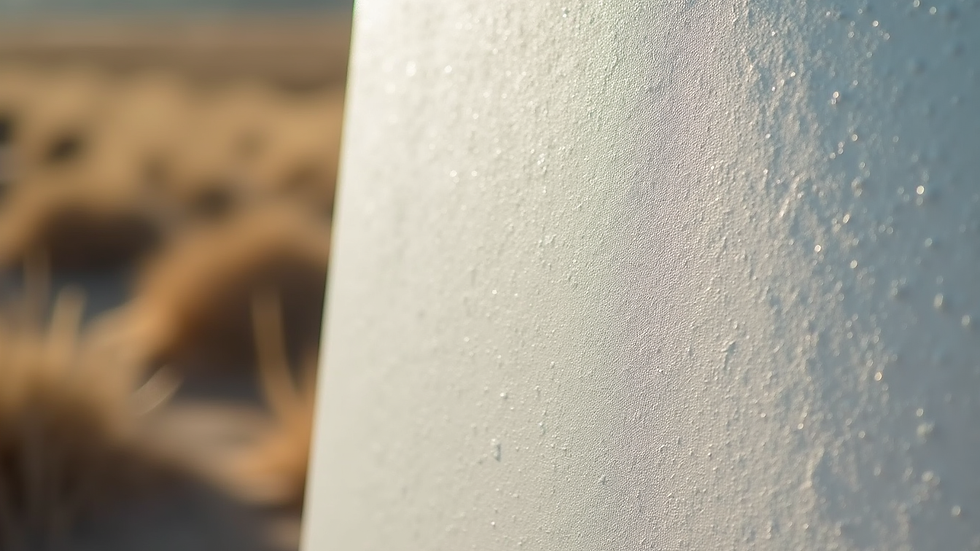
The Beauty of Imperfection
Understanding Wabi-Sabi
Wabi-sabi is a Japanese aesthetic that finds beauty in the imperfect, the transient, and the incomplete. It teaches us to appreciate the natural cycle of growth and decay. This philosophy can be applied to art and photography, encouraging artists to embrace flaws and celebrate the uniqueness of their work.
The Emotional Connection
Imperfections often evoke emotions that polished pieces may not. A photograph with a slight blur or an artwork with uneven brush strokes can tell a story that resonates with viewers on a personal level. These flaws can make the work feel more relatable and human, inviting the audience to connect with the artist's journey.
Examples of Imperfection in Art
Vincent van Gogh: His expressive brushwork and vibrant colors are often accompanied by visible imperfections. These elements contribute to the emotional depth of his paintings, making them timeless.
Frida Kahlo: Kahlo's self-portraits often showcase her physical and emotional scars. The rawness of her work invites viewers to confront their own vulnerabilities.
The Role of Imperfection in Photography
Capturing Authentic Moments
In photography, the pursuit of perfection can lead to missed opportunities. Candid shots, where subjects are caught off-guard, often reveal genuine emotions and interactions. These moments are often more powerful than staged photographs.
The Art of Grain and Noise
Film photography, with its inherent grain and noise, offers a unique aesthetic that digital photography sometimes lacks. Embracing these elements can add character to your images, making them feel more organic and alive.
Examples of Imperfection in Photography
Henri Cartier-Bresson: Known for his candid street photography, Cartier-Bresson captured fleeting moments that often included imperfections, such as motion blur or unexpected elements in the frame.
Vivian Maier: Her self-portraits and street photography reveal a raw, unfiltered view of life, showcasing the beauty of everyday moments.
Practical Ways to Embrace Imperfections
Experiment with Techniques
Try Different Mediums: If you primarily work with digital photography, consider experimenting with film. The unpredictability of film can lead to unexpected results that enhance your creativity.
Play with Focus: Deliberately using a shallow depth of field can create beautiful bokeh effects, allowing certain elements to blur while others remain sharp. This technique can add a layer of depth to your images.
Incorporate Texture: In painting, using thick layers of paint or mixed media can create a tactile quality that draws viewers in. In photography, look for textured surfaces that can add interest to your compositions.
Shift Your Mindset
Let Go of Perfectionism: Understand that not every piece needs to be flawless. Allow yourself to make mistakes and learn from them. This mindset shift can lead to greater creativity and innovation.
Seek Feedback: Share your work with others and ask for their thoughts. Sometimes, what you perceive as an imperfection may be seen as a strength by others.
Create a Series
Consider creating a series of works that focus on imperfections. This could be a collection of photographs that highlight flaws in everyday objects or a series of paintings that explore the theme of decay. By focusing on a specific theme, you can deepen your exploration of imperfections.
The Impact of Social Media on Perceptions of Perfection
The Pressure to Conform
In today's digital age, social media platforms often showcase idealized versions of art and photography. This can create pressure for artists to conform to unrealistic standards. However, embracing imperfections can set you apart and create a more authentic connection with your audience.
Building a Community
By sharing your journey of embracing imperfections, you can inspire others to do the same. Building a community around this philosophy can lead to meaningful discussions and collaborations that celebrate authenticity.
Conclusion
Embracing imperfections in art and photography allows for a deeper connection with both the creator and the audience. By understanding the beauty of flaws and the emotional resonance they can create, artists can unlock new levels of creativity. Remember, perfection is not the goal; authenticity is. So, take a step back, appreciate the imperfections, and let them guide your artistic journey.
As you move forward, consider how you can incorporate these ideas into your own work. Whether through experimentation, mindset shifts, or community building, the journey of embracing imperfections can lead to profound growth and creativity.
Comments